
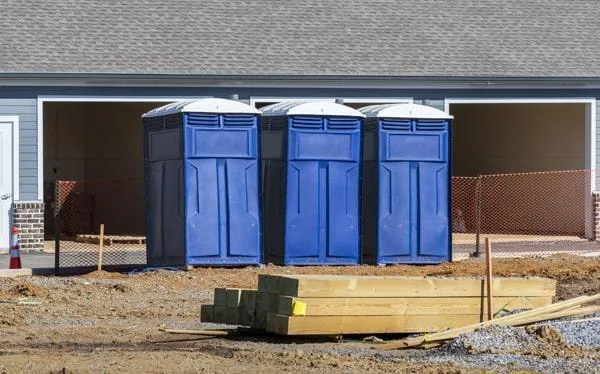
Site toilet rentals for the working crew
A construction toilet rental supplies a private place for workers to use the toilet when suitable building facilities are absent or unavailable to them. Standard cabins retain waste in a holding tank for provider servicing; handwashing is a separate function to specify. Discuss accessible requirements and any offered upgraded fittings with the proposed equipment, rather than treating every cabin as interchangeable.
Give the combined workforce, shift overlap, existing bathrooms and expected project period when requesting the initial order. Ask for delivery before the first workers rely on it, an approved position they can reach, and a practical route for recurring cleaning, tank service and replenishment. Include collection and the process for changing the order in the quote; the site-specific equipment records also help if a unit later goes missing.
Distinguish a recorded collection from unexplained absence
If a portable toilet is no longer at its agreed position when the next shift arrives, do not assume the provider collected it or that the rental has ended. Establish what is known, contact the provider and review the facilities workers can actually use while the missing unit is unresolved.
Ask the authorised site contact whether anyone arranged collection, a provider visit or an approved position change. Compare that answer with the rental order and the provider’s records. An empty position is an observation; it is not proof that the supplier has recovered the unit or closed the hire.
Give the provider the site address, order reference, unit identifier if recorded, last confirmed position and when it was last known to be there. State which details are uncertain. If someone believes it was taken to another part of the site, report that information without asking workers to search restricted areas or move another unit into its place.
Review the facilities the next shift can really use
Tell the responsible site planner and provider which toilets, accessible options and washing facilities remain available, where they are and which people rely on them. Include current subcontractors and overlapping shifts. The original order quantity should not continue to stand in for the equipment now usable on site.
For example, the absent cabin may have served a separate work area whose crew cannot simply rely on a toilet elsewhere. Describe that practical gap and ask the responsible planner to arrange appropriate facilities. A missing accessible option or washing function needs its own review; an ordinary cabin is not an automatic equivalent.
Obtain an explicit answer about the missing unit and any replacement
Ask the provider how it will handle the unresolved equipment record and any proposed replacement order. Confirm the actual offered model, availability, delivery arrangement and applicable terms before relying on an additional unit. Ask the relevant parties about responsibility for loss, any applicable cover, charges and the proposed replacement timing.
Keep the missing-unit enquiry separate from the specification of new equipment. A provider agreeing to discuss another cabin does not by itself settle the original hire or show that replacement is free. Record the answer with the authorised rental contact so separate site teams do not place conflicting instructions.
Maintain the remaining equipment and reconcile the final record
Keep agreed cleaning, tank care and supply replenishment in place for facilities that remain. Report changed use or a blocked route through the provider’s process. Any approved replacement position still needs permission, suitable ground, usable doors and approach, and practical delivery, service and recovery access.
If the original unit is later located, notify the provider before treating it as returned, serviceable or ready for movement. Ask how the equipment record and any subsequent order should be reconciled. Only a confirmed arrangement establishes which units remain on hire and what collection is still required.
Questions before you book
Does an empty position mean the provider has ended the hire?
No. Ask the authorised site contact and provider to reconcile any collection instruction with the actual equipment record.
Is a replacement automatically included?
Do not assume that. Confirm the offered equipment, timing and terms separately, and ask the relevant parties to resolve responsibility or coverage for the missing unit.
What if the original unit is found after another one arrives?
Report it to the provider and reconcile the orders before moving it or treating either unit as collected or off hire.